INGREDIENT BREAKDOWN
In laminated dough, every ingredient negotiates strength and tenderness. Danish dough is a balance of elasticity, fermentation, and fat layering—each component shaping lift, flake, and flavor.
WHOLE MILK: Milk contributes water for gluten development, lactose for gentle browning, and milk proteins for structure. Its fat (about 3% to 4%) tenderizes slightly, softening the crumb compared to water-based doughs. Lactose is not consumed by yeast, so it remains available for Maillard browning, encouraging deep golden color during baking.
EGG: A whole egg brings both water and fat, plus emulsifiers (notably lecithin in the yolk). The proteins coagulate during baking, reinforcing structure between laminated layers. The yolk’s fat enriches the dough and improves extensibility, allowing it to roll thin without tearing.
EGG YOLK: An extra yolk increases richness and pliability. Lecithin strengthens the dough’s ability to hold a stable emulsion—important when butter is worked in later. Yolk also deepens color and contributes to a more tender, slightly custardy crumb.
INSTANT YEAST: Instant yeast disperses directly into dry ingredients. It metabolizes simple sugars, producing carbon dioxide and organic acids. In Danish dough, fermentation builds internal pressure and flavor—but it must be controlled. Over-fermentation weakens gluten and compromises lamination; underfermentation yields tight layers and limited lift. (We used Red Star® Quick-Rise Instant Yeast.)
BREAD FLOUR: Higher in protein (typically 12% to 13%) than all-purpose flour, bread flour forms a stronger gluten network. This elasticity is essential for lamination—the dough must stretch thin without tearing and withstand repeated rolling. A weaker flour would rupture under the mechanical stress of folding. (We used Bob’s Red Mill® Bread Flour.)
GRANULATED SUGAR: Sugar feeds yeast in the early stages and slows gluten development slightly by competing for water. This moderates toughness, keeping the dough extensible. Sugar is also hygroscopic, helping retain moisture in the finished pastry and contributing to caramelization and browning in the oven.
UNSALTED BUTTER (IN DOUGH): The initial butter mixed into the dough softens gluten strands by coating some proteins in fat. This creates a more pliable base dough—strong enough to laminate but not leathery. Using unsalted butter allows precise salt control, especially important in enriched doughs.
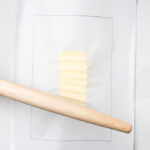
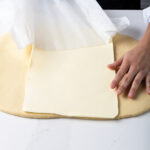
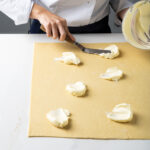
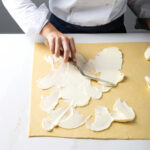
UNSALTED BUTTER (BUTTER BLOCK): The butter block is structural. At roughly 80% to 84% fat, butter contains a small percentage of water that turns to steam in the oven. When encased in dough and rolled thin, this steam separates layers, producing flake and lift. Butter’s plasticity—firm but bendable at cool room temperature—is critical. Too cold, it shatters and punctures the dough; too warm, it smears and eliminates defined layers. (We used Plugrà® European Style Unsalted Butter.)
KOSHER SALT: Salt strengthens gluten by tightening protein bonds, which improves elasticity and helps the dough maintain structure during rolling. It also regulates yeast activity—without salt, fermentation would be too rapid and uncontrolled. Flavor-wise, salt sharpens sweetness and prevents the pastry from tasting flat.